
In this episode of the Kanawha Valley Hustlers podcast, I talk with Mike Means of UKV HVAC about how he got into the business, what his company does, and what he has learned along the way. Mike tells me he did not start out planning on HVAC, but after life took a few turns and he teamed up with the right partner, he found work he believes in. He explains that UKV HVAC solves comfort problems for homes and businesses, from heating and cooling issues to water leaks from a system. What hits me most is his point about betting on yourself. He talks about reaching a place where life looked stable, but the work did not light him up, and now he wakes up ready to go. We also get into common misconceptions about pricing in the HVAC world and the real challenge of finding people who not only know the trade, but also care about doing the job right. Mike closes by talking about sharpening sales skills, keeping the right outlook, and holding to his faith no matter what.
Blog
I break down the difference between advertising and marketing and explain why so many business owners confuse the two. I argue that advertising has one job: getting attention. If people see it, react to it, and talk about it, the ad does its job. I use the Bud Light and Dylan Mulvaney campaign as an example because it got massive attention, which makes it successful as advertising. But I also explain why it failed as marketing. The issue is not whether people like or dislike the people involved. The issue is that the message does not match the brand Bud Light spent years building. From there, I define marketing as the larger system behind the ad, including the offer, the audience, the pricing, the messaging, the branding, and the sales process. My point is simple: ads get attention, but marketing turns that attention into paying customers. If those two pieces are out of sync, the business pays for attention without getting results.
In this episode of the Kanawha Valley Hustlers podcast, I sit down with Tara Martinez to talk about workforce development, nonprofit work, and the real barriers people face in West Virginia. She works to help people move from dependence to self-sufficiency by connecting them with work that gives them a path forward. We talk about how childcare and transportation still hold a lot of people back, especially in rural parts of the state. Tara also clears up a big misconception about nonprofits. They still need money, leadership, and strong teams. The difference is that the money has to go back into the mission. She shares how moving from state government into nonprofit work forced her to become more flexible and move faster. We also touch on strategy, accounting, social media, and the need to keep learning. What stands out most is her belief that face-to-face connection still matters. In business, in nonprofit work, and in public life, she believes real trust is built in person, and I think that point lands.
In this episode of the Kanawha Valley Hustlers podcast, I talk with Robert Huffman, one of the owners of UKV HVAC, about how he turns a skill he found in high school into a business that serves homeowners across the Upper Kanawha Valley. He got into the trade through Carver, worked his way up, and started his own company because he wants control of his time and wants to be present for his family. We talk about the early struggle of simply paying the bills, how the business grows by fixing air conditioners and furnaces, and what he learns the hard way about hiring the wrong people. Robert makes it clear that attention to detail matters and that negligence costs real money. He also pushes back on the idea that every older HVAC system needs replaced, explaining that many can still be repaired and that homeowners should be given honest options. We also get into the shortage of skilled workers, why wait times can stretch out, the waste of bad advertising, and the need for business owners to learn how to present themselves in public as they grow.
I talk with Tony Paranzino of Tony the Tailor about what it takes to stay in business for more than 50 years. He walks me through how he grew up in the trade, starting in his dad’s shop as a kid, learning the work piece by piece until he took over the family business and made it his own. We also get into mistakes, and Tony shares a story about making a pair of pants six inches too short. His lesson is simple: mistakes happen, you fix them, and you keep moving. He pushes back on the idea that nobody wears suits anymore and makes the case that people still want to look put together because it changes how they are treated. He also talks about more people dressing up again as they head back to the office. Near the end, he boils entrepreneurship down to one truth: learn to count your money and protect it.
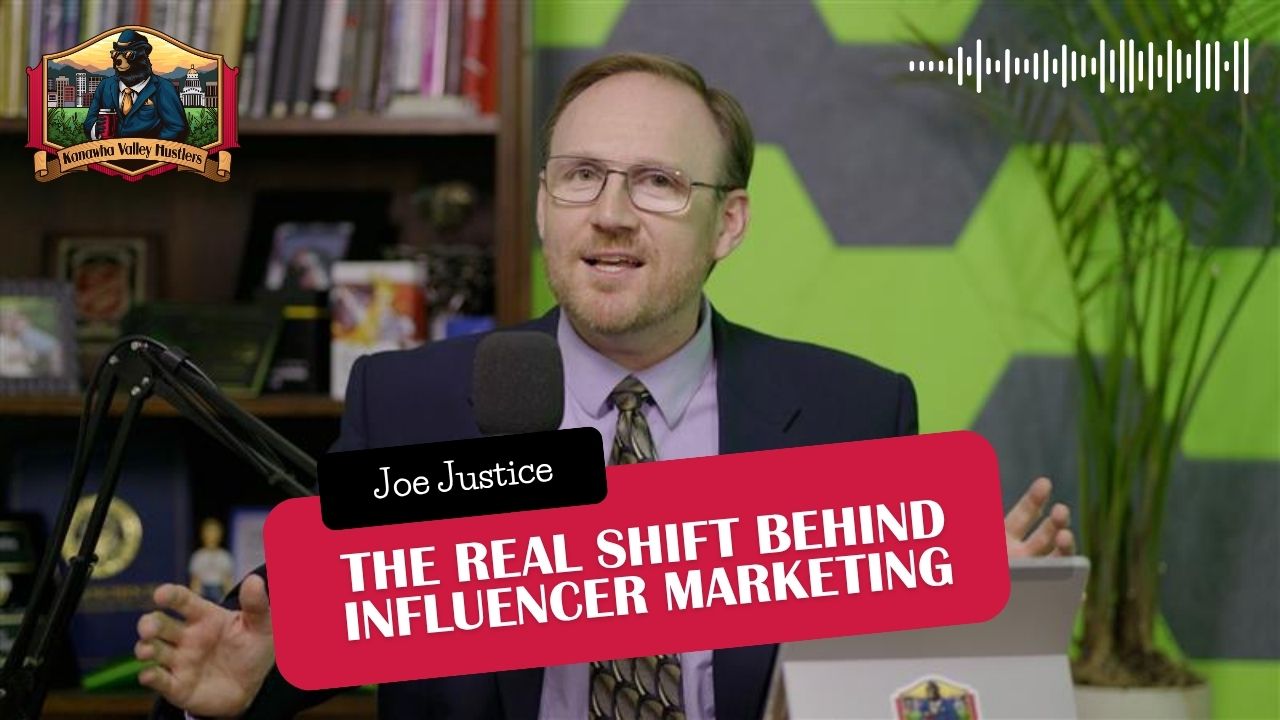
I break down why influencer marketing is not some celebrity fad that passed, but a shift every Appalachian business owner needs to understand. I walk through how we moved from movie stars and reality TV names like the Kardashians, Paris Hilton, and Jessica Simpson into digital creators like Logan Paul and Mr. Beast, and how that world changed once creators stopped renting out their audiences and started building products they own. That pushed big brands toward micro influencers with smaller, tighter audiences, and I point out that we in Appalachia are behind on this more than we should be. My point is that local business owners should stop thinking influencer marketing is for someone else and realize they need to become the micro influencer for their own company. I make the case that people do not buy because they saw one ad. They buy because they check your reviews, your website, your social media, and your videos, and decide whether they trust you. In this market, attention leads to trust, and trust leads to the sale.