
In this episode of the Kanawha Valley Hustlers podcast, I celebrate America’s 250th birthday by looking at the spirit of liberty, work, risk, and innovation that has shaped this country. I start with Benjamin Franklin and the founders, who built a system where people could make their own choices, take responsibility, and benefit from their own effort. I then move through the late 1800s, when inventors and industrialists like Edison, Tesla, Bell, Carnegie, and Rockefeller helped build the modern world through electricity, communication, steel, railroads, and industry. I also talk about how workers used that same liberty to organize and push for better treatment. From there, I look at Henry Ford, American manufacturing, World War II, and the rise of the American Century. The story continues into the digital age with Bill Gates, Steve Jobs, and Elon Musk. My point is simple. America keeps creating room for builders, and that is worth celebrating.
Blog
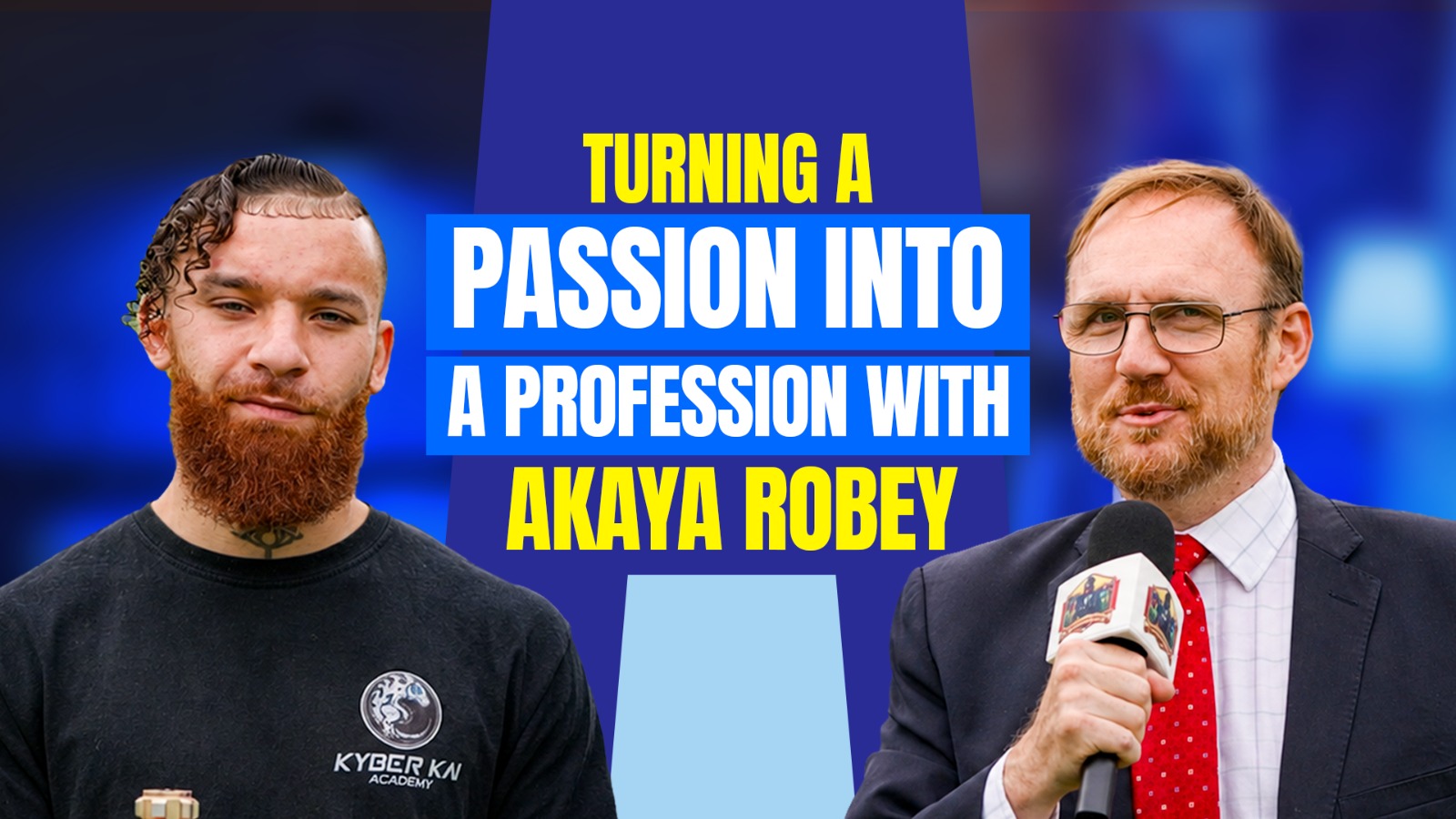
In this episode of the Kanawha Valley Hustlers podcast, I talk with Akaya Robey of Kyber Kai Academy, a combat and fight choreography school in Charleston, West Virginia. I learn how a hobby that started years ago grew into a business that is becoming his full time focus. Akaya shares how he brought lightsaber choreography from New York to West Virginia, built a community around it, and recently transitioned the organization into an LLC. We talk about the difference between choreography and full contact saber combat, the equipment involved, and the global competitions that exist in the sport. He opens up about investing too much in gear before having enough students and the lessons that came from that mistake. We also discuss networking, handling criticism, working with different kinds of people, and staying open to new opportunities. Akaya’s message is simple: keep going. No matter what others say, persistence and consistency are what move both a business and a passion forward.
In this episode of the Kanawha Valley Hustlers podcast, I talk with Jordan Garcia to talk about his work in property and casualty insurance and the lessons he has learned in sales. Jordan shares how he moved from car sales into insurance after meeting an agent who inspired him to pursue the industry. We discuss the importance of helping people find the right coverage instead of simply choosing the cheapest option, and how many people focus on convenience without thinking about long term financial protection. Jordan talks about an early mistake of giving everyone the same sales presentation and how feedback helped him learn to meet people where they are. We also cover common misconceptions about insurance, the value of networking through organizations like the Huntington Chamber of Commerce, and why sales professionals need to get comfortable being wrong and learning from mistakes. Jordan is also working to expand his Spanish insurance vocabulary so he can better serve more clients. Throughout our conversation, he emphasizes treating people the way they want to be treated and building relationships based on understanding and trust.
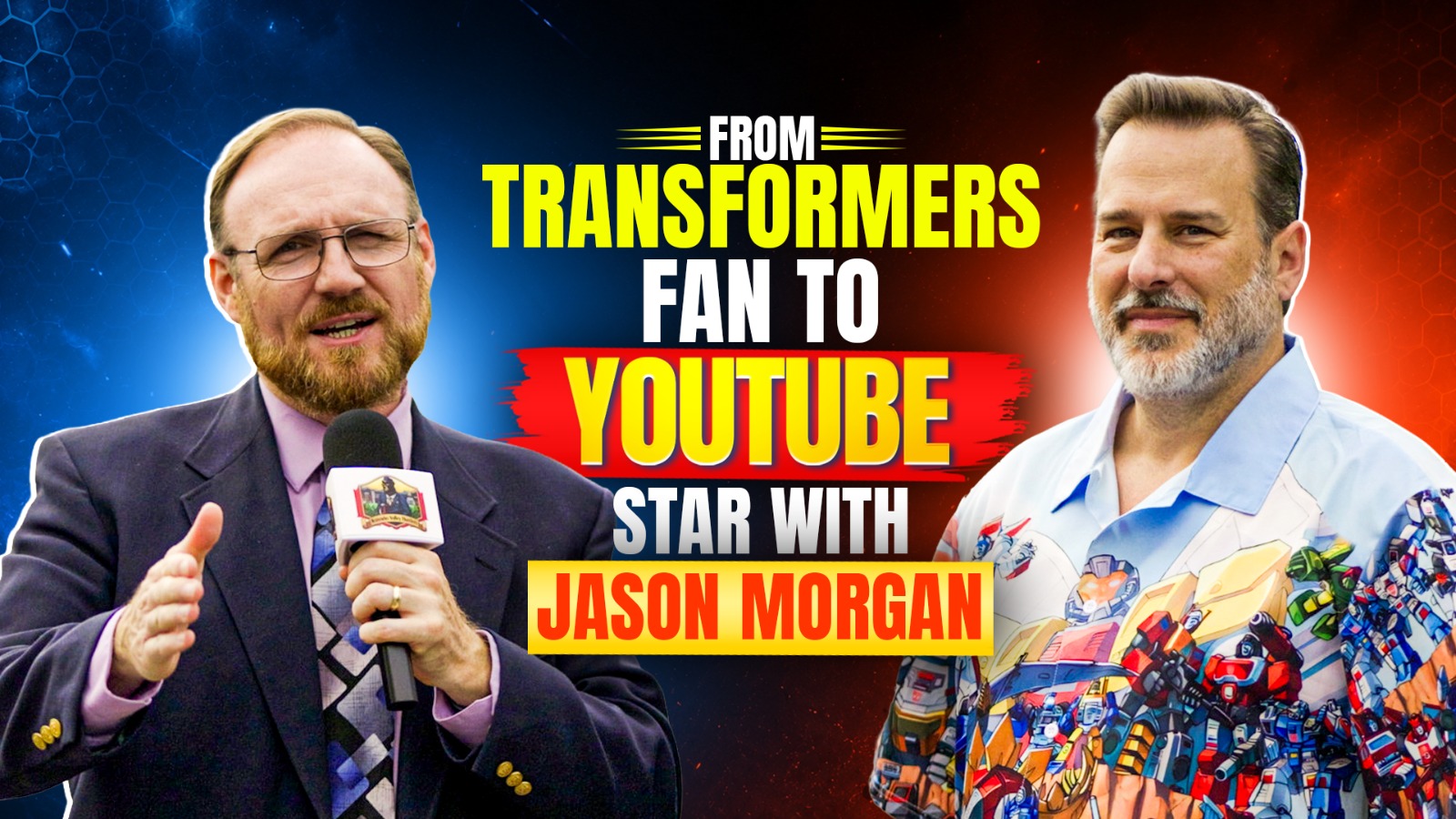
In this episode of the Kanawha Valley Hustlers podcast, I talk with Jason Morgan, known online as Patriot Prime, to talk about how a lifelong love of Transformers grew into a successful YouTube channel. Jason shares how his interest started as a kid and later turned into content creation after he was challenged to start a channel. We discuss the skills he learned while serving in Iraq, how those experiences helped him develop video production skills, and what it felt like when fans first began recognizing him at conventions. Jason talks about the work that goes into creating videos, the mistakes he made spending money on products he didn’t really want, and how he learned to focus on content that connected with his audience. We also explore the importance of community, building relationships through shared interests, and staying approachable as your audience grows. His advice is simple: do it because you enjoy it, treat people well, and keep going even when others doubt you. His story is a reminder that a hobby can grow into something much bigger when you’re willing to stick with it.
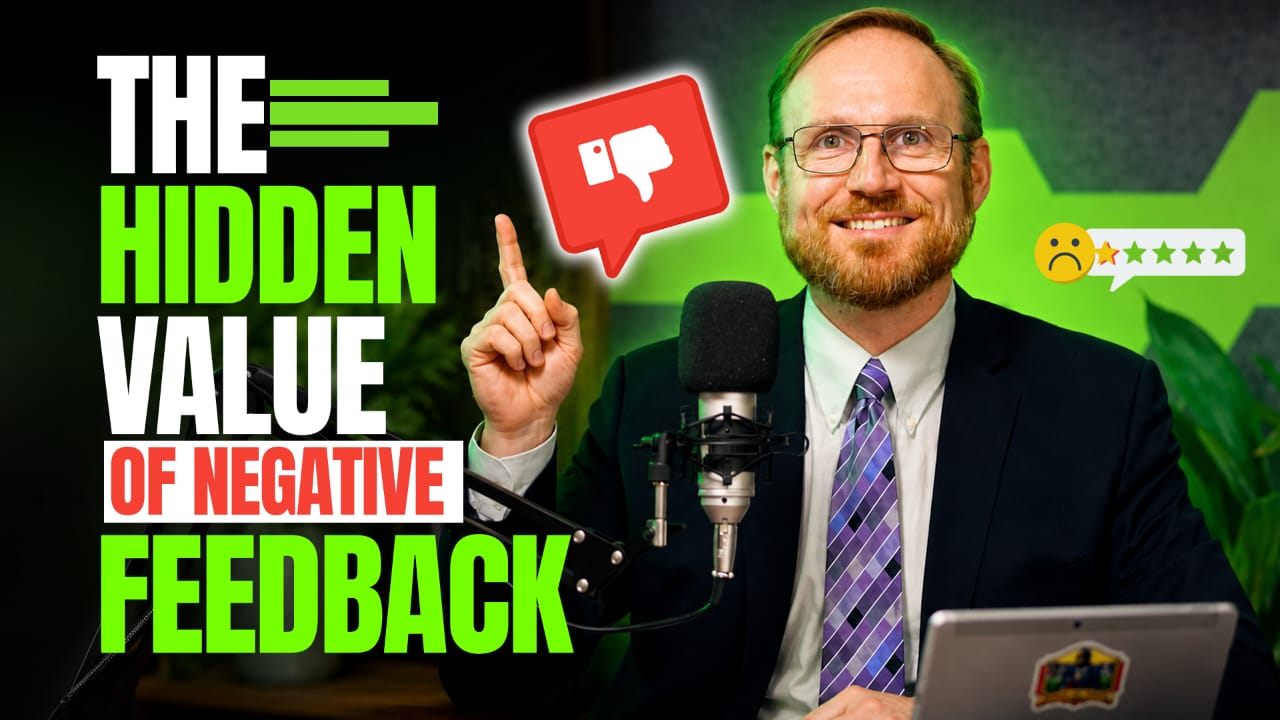
In this episode of the Kanawha Valley Hustlers podcast, I talk about why negative comments are part of doing business online. If you want attention, you have to accept exposure, and with exposure comes criticism. I explain that most negative comments are not a sign your marketing is failing. They’re a sign people are finally seeing your content. I break down the difference between pointless attacks and criticism that has value. Random insults should be ignored, but honest feedback can reveal problems your friends may never point out. I also discuss how complaints about your industry can become opportunities to show how your business is different. When someone raises a concern, you’re not responding for that person alone. You’re responding for everyone else who reads the comment. My message is simple: don’t let online trolls dictate your business strategy. Ignore the noise, learn from valid criticism, address misconceptions, and keep moving forward. Negative comments are often proof that you’re getting the attention your business needs to grow.
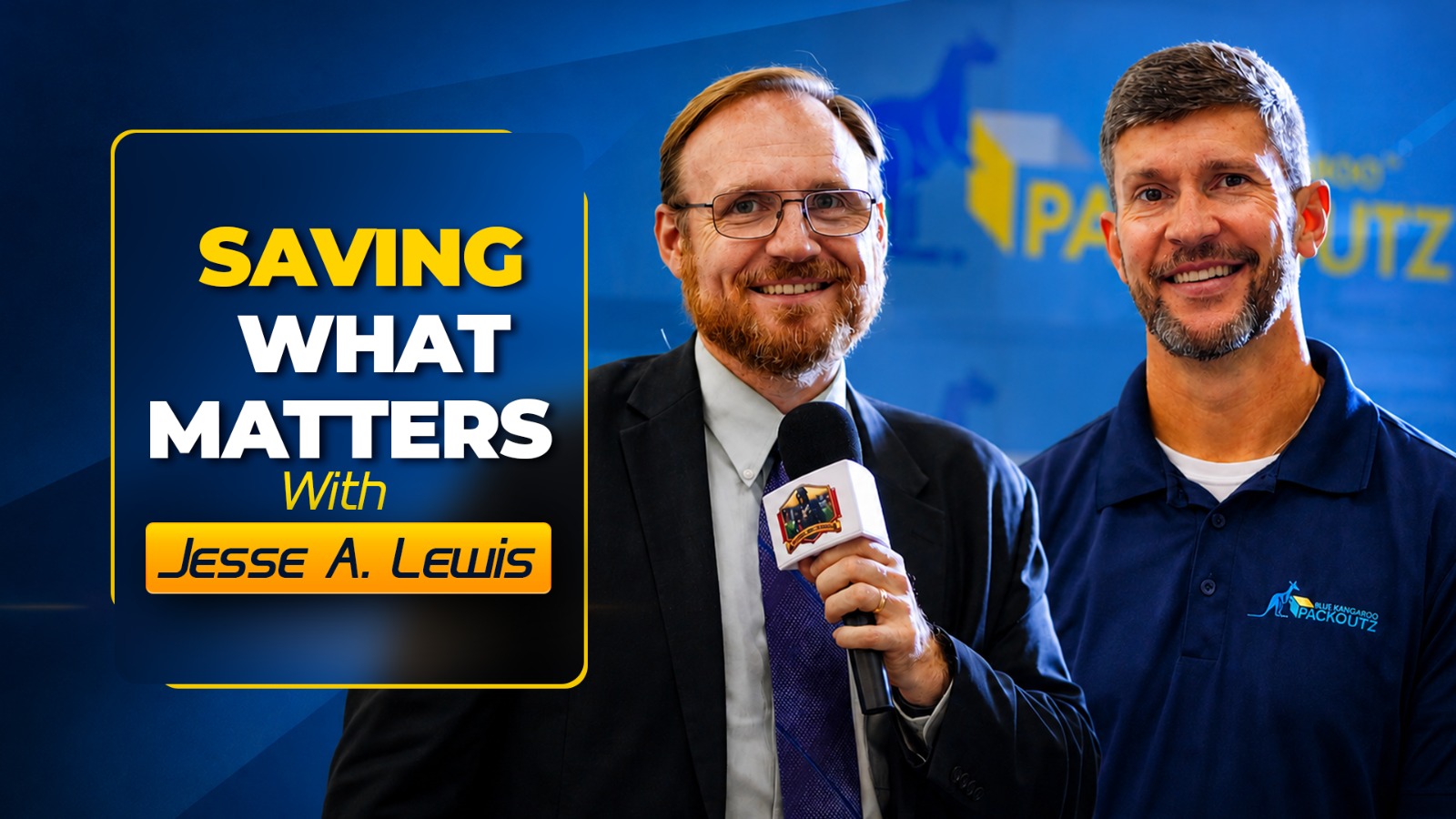
In this episode of the Kanawha Valley Hustlers podcast, I talk with Jesse A. Lewis of Blue Kangaroo Pack Outs of River Cities in Huntington, West Virginia. Jesse helps people recover personal property after fire, water damage, or a natural disaster. His team packs out items, documents them, cleans them, restores them, stores them, and returns them when the property is ready. What stands out to me is that this is not a moving company. Every item is photographed, barcoded, and tracked through the process. Jesse talks about starting the business two and a half years ago and learning that things do not move as fast as you think they will. He also shares how important relationships are with referral partners, insurance companies, customers, and his team. Right now, his biggest challenge is awareness. People often tell him they wish they had known about Blue Kangaroo sooner. Jesse believes every entrepreneur needs sales skills because you are always selling your company, your vision, and yourself. His core belief is faith in the idea, even when business tests you.