In this episode of the Kanawha Valley Hustlers podcast, I talk with Austin Long to talk about property management, real

In this episode of the Kanawha Valley Hustlers podcast, I talk with Austin Long to talk about property management, real
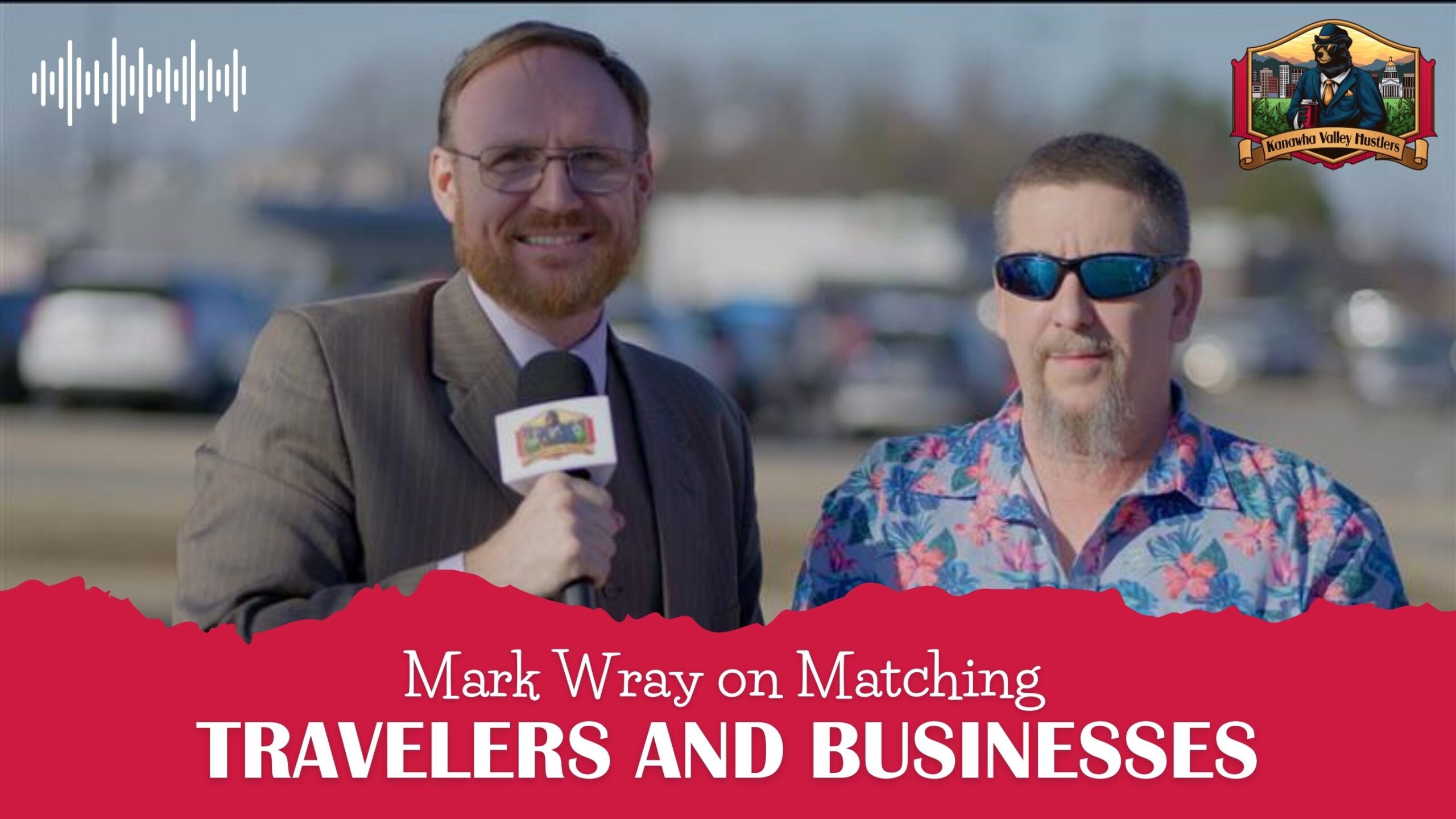
I talk with Mark Wray about Travelese, a platform built to match travelers and businesses with more precision. He lays out the problem with spray-and-pray marketing and explains how his team uses hundreds of data points to connect the right customer with the right destination or business. We get into the trust problems in travel, from fake reviews to bad recommendations and even listings for places that do not exist. Mark also shares a mistake from late in development, when they realized they had not built pricing into the platform and had to go back and fix it before beta. He talks about the need for stronger alignment between what businesses offer and who they are trying to reach. We also touch on entrepreneurship, where he points to finance, legal basics, and compliance as core skills. What I take from the conversation is that he is not trying to add more noise to the market. He is trying to solve mismatch, reduce waste, and build something that helps both travelers and businesses make better decisions.
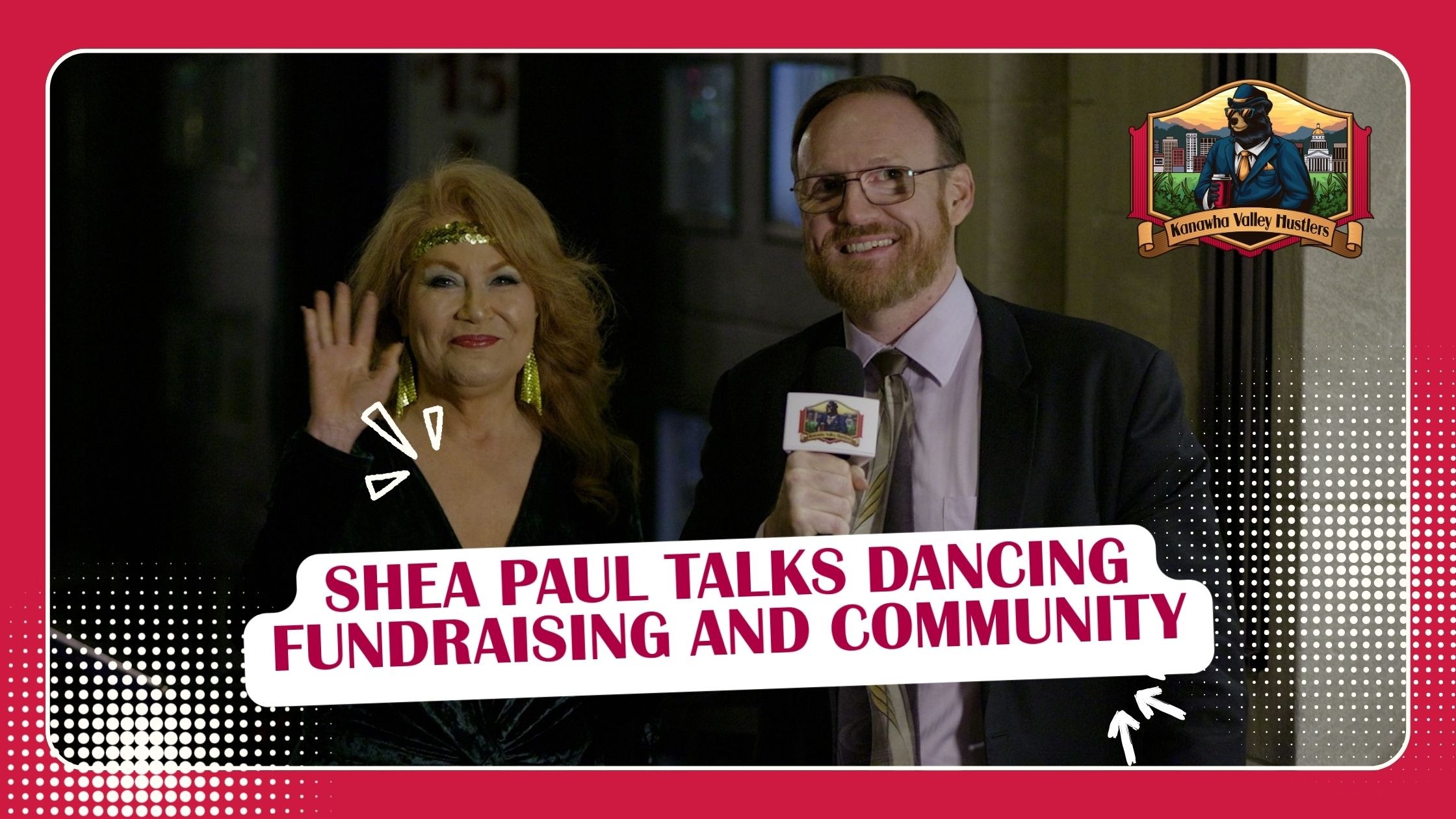
I talk with Shea Paul to talk about her role in Dancing with the Stars for United Way of Central West Virginia. She shares that she has wanted to do this for a long time because she cares about the cause and the work United Way does in the community. We talk about the mix of fun, fundraising, and pressure that comes with being part of team five in season five. Shea opens up about how easy it is for her to overthink the details, from the theme to the song choices, and how she is learning to trust the people around her and enjoy the process. She also clears up that this is not like the TV show people may picture. The choreographer trains them, but regular people are the ones who step out and perform. To get ready, she is stretching, building her stamina, and working back into shape after the winter. She closes by sharing how people can support team five through voting and upcoming events that help raise money for United Way.
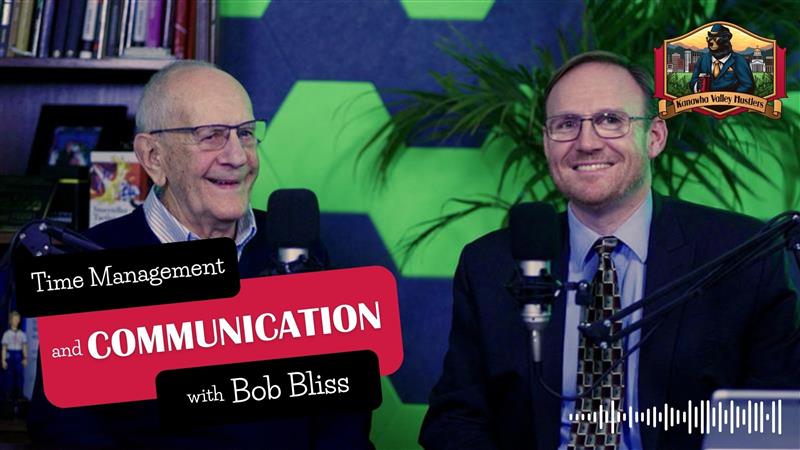
In this episode of the Kanawha Valley Hustlers podcast, I talk with Bob Bliss about how strong communication still gives people an edge. Bob walks me through his habit of responding to emails within 24 hours and explains that he stays on top of communication by setting aside time each day and planning his week in advance. We talk about calendars, routines, and the need to stay flexible when calls, meetings, and client needs shift the day around. I also share one of my own scheduling tricks for holding possible meeting times until something is confirmed. From there, we get into how communication has changed from phone calls and long emails to texts, AI answering systems, and missed calls. Even with all these tools, Bob believes people still notice when someone actually responds and follows through. He ties that habit to trust, referrals, and stronger client relationships. By the end, we focus on younger people and what helps them stand out: be patient, listen, learn from experience, and take the time to understand the person in front of you.
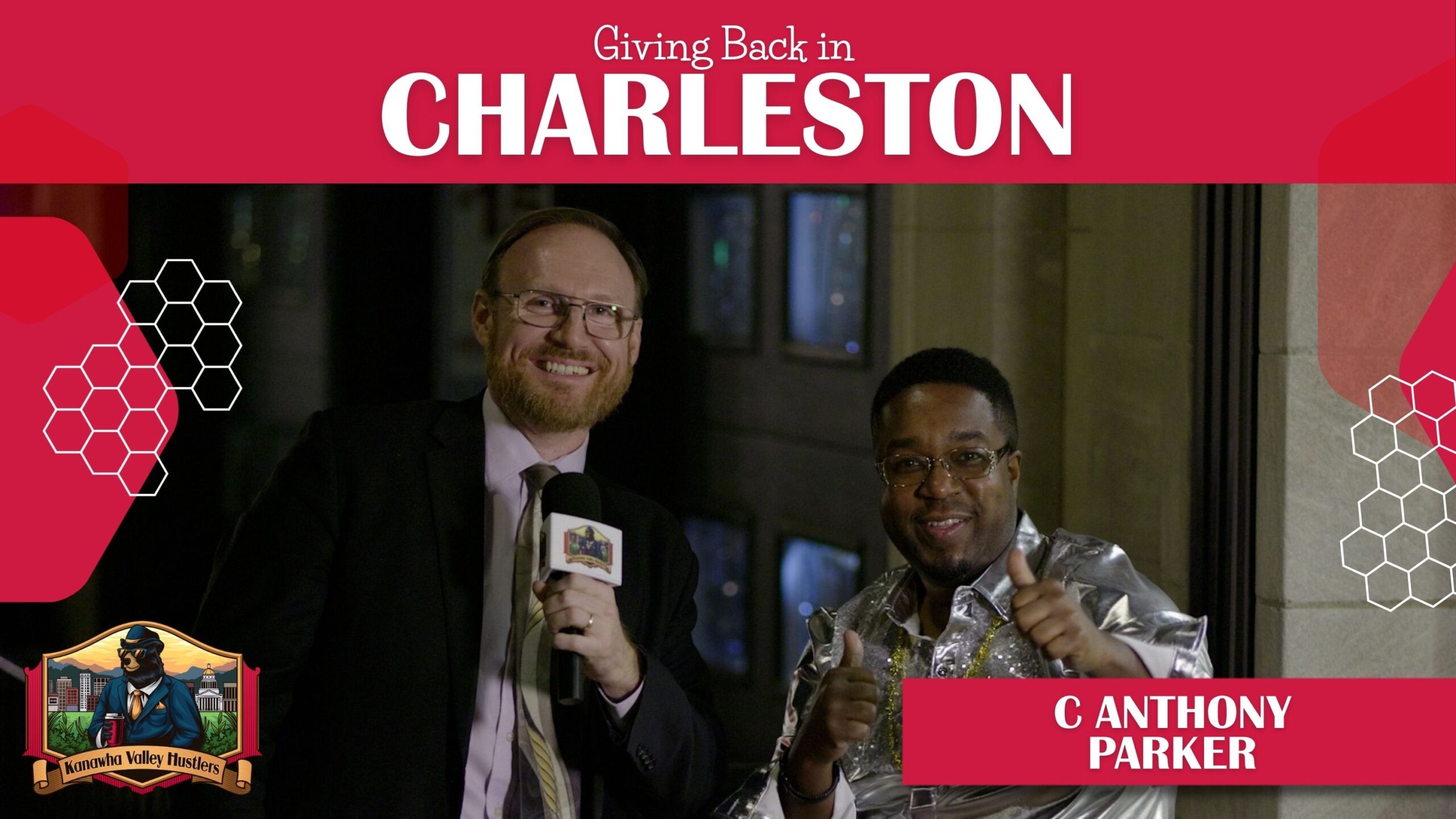
I’m at Charleston’s local Dancing with the Stars event with C. Anthony Parker, and the place is packed with a Studio 54 disco theme. He’s in costume with platform shoes and explains this is a hometown fundraiser that supports United Way, not the national TV show. He shares why he signed up: it gives him a clear way to give back, learn something new, and have fun while serving the community. He talks through what it takes behind the scenes, from training with choreographer Jamie Walker to getting in shape to dance for several minutes straight, plus working with his partner Shay Paul and a DJ who customizes their track. He also drops a lesson from early in the process: don’t make assumptions, do your best and keep moving. He tells people how to support the cause by voting for couple number five and following him on Facebook for updates on the lead-up events around town.
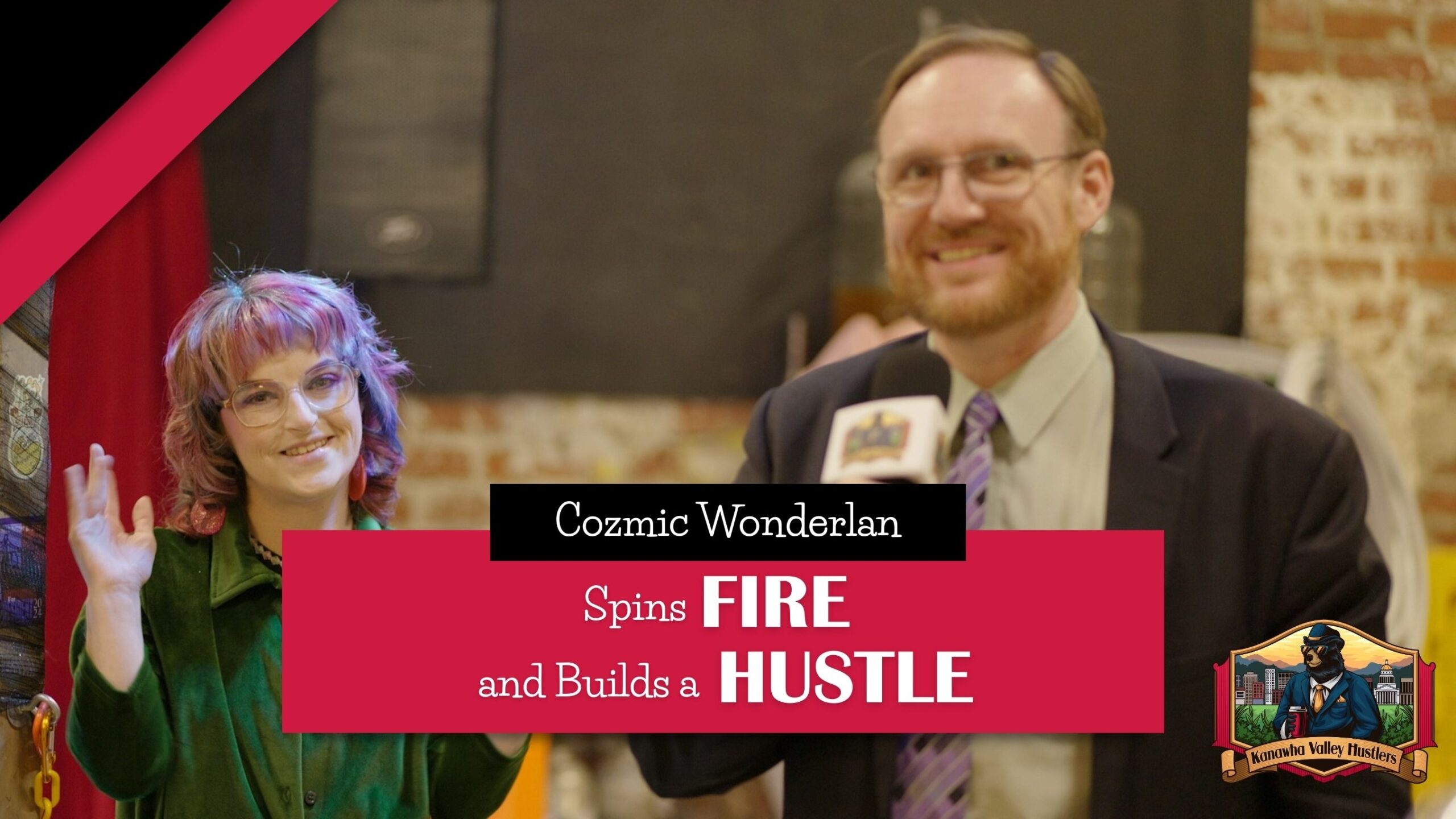
I talk with Cozmic Wonderlan, a sponsored aerialist and fire performer. Cozmic explains that aerial work is spinning and dancing in the air, and that they started as a behind-the-curtain supporter for friends in LGBTQ and burlesque spaces before stepping into performing. We clear up the fire misconception: she doesn’t do fire breathing, she does fire eating and transfers with skin-to-skin tricks. She talks about building the hustle through gigs and partnerships, with Wandering Wind Meadery as a main venue while also traveling. We get into a real business lesson: giving people the benefit of the doubt can cost time and money when someone doesn’t meet the standard, so they cut issues quickly to protect safety and the business. Cozmic also separates burlesque from exploitative assumptions and frames it as performance.